


25 Apr What to do in Australia: a comprehensive guide
eVisitor or ETA Visa for Australia
Before packing your bags and exploring Australia, make sure your eVisitor or ETA authorization is in order with MyTripVisa. We’ll accompany you every step of the way. Visit our website and apply for your eVisitor or ETA for Australia today. Your Australian adventure awaits.
At MyTripVisa, our goal is to simplify the visa application process, online authorization, and travel permits for travelers. Forget about the bureaucracy of foreign governments and the stress it brings; MyTripVisa is here to help you.
Happy travels!
Cities to Visit
Sydney
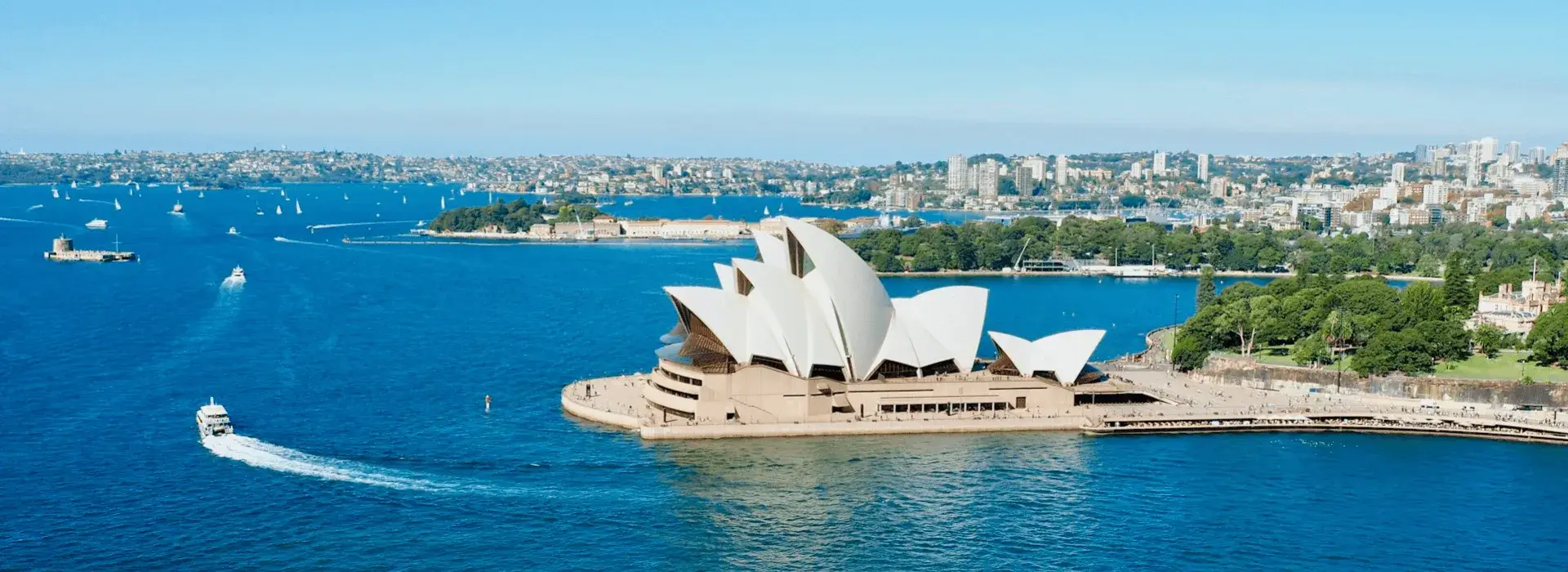
The cosmopolitan Sydney will captivate you with its iconic Opera House, imposing Harbour Bridge, and multicultural atmosphere. Explore The Rocks, the city’s oldest neighborhood, where history breathes in every corner. Stroll through the Royal Botanic Garden, an oasis of peace in the midst of the urban hustle. Climb to the top of the Sydney Tower Eye and enjoy breathtaking panoramas. And don’t miss the opportunity to surf on the legendary waves of Bondi Beach.
- What to See:
- Sydney Opera House: World-renowned architectural icon, famous for its unique design.
- Sydney Harbour Bridge: Offers spectacular views of the harbor and city from above.
- Bondi Beach: Iconic beach for sunbathing, surfing, or simply relaxing. Royal Botanic Garden: Oasis of tranquility with an impressive variety of flora.
- What to Do:
- Ferry ride around the harbor: An excellent way to appreciate Sydney’s beauty from the water.
- Coastal walk from Bondi to Coogee: Enjoy stunning ocean views and stop at numerous beaches and cafes along the way.
- Explore The Rocks: This historic neighborhood is full of charm, with cobblestone streets and colonial buildings.
- What to Eat:
- Sydney Fish Market: Taste fresh seafood and delicious fish dishes.
- Dinner at Darling Harbour: Enjoy a meal overlooking the harbor at one of the many restaurants.
- Brunch in Surry Hills: Explore local cafes and try delicious and creative dishes.
Melbourne
Known as Australia’s cultural capital, Melbourne will charm you with its European style, charming cafes, numerous museums, and art galleries. Explore the Royal Botanic Gardens, a green refuge in the heart of the city. Visit the National Gallery of Victoria, where a wide collection of artworks awaits you. Wander through Federation Square, a modern architectural complex housing various cultural spaces. And enjoy a delicious brunch in one of the laneways, charming alleys full of flavor.
- What to See:
- Federation Square: Cultural and entertainment center with modern architecture and exhibitions.
- Collins Street: Admire elegant Victorian architecture and luxury boutiques.
- Street art in the laneways: Discover unique artworks in Hosier Lane and other nearby streets.
- Royal Exhibition Building: A UNESCO World Heritage site, this building is an architectural gem.
- What to Do:
- Café-hopping in laneways: Discover the best hidden cafes in the city’s alleyways.
- Match at the Melbourne Cricket Ground: Experience the excitement of Australian sports.
- Excursion to the Great Ocean Road: Travel one of the most picturesque coastal roads in the world.
- What to Eat:
- Specialty coffee: Melbourne is famous for its coffee, so make sure to try some cups.
- Multicultural dinner in Fitzroy: This neighborhood is full of restaurants offering cuisine from around the world.
- Australian meat pie: A classic delight you can’t miss.
Brisbane
Sunny Brisbane will conquer you with its subtropical climate, lush parks, and relaxed atmosphere. Visit the Lone Pine Koala Sanctuary and get up close with these adorable marsupials. Explore South Bank Parklands, an urban oasis with gardens, museums, and restaurants. Climb the Story Bridge and admire panoramic views of the city. Wander through Queen Street Mall, one of Brisbane’s major shopping streets. And enjoy a picnic in Roma Street Parkland, an urban park with lakes, playgrounds, and green spaces.
- What to See:
- South Bank Parklands: Riverside green space with artificial beaches, gardens, and restaurants.
- Fortitude Valley: Bohemian neighborhood known for its nightlife and artistic scene.
- Queen Street Mall: Open-air shopping center with a wide variety of shops and entertainment.
- Lone Pine Koala Sanctuary: The world’s largest koala sanctuary.
- What to Do:
- Brisbane River cruise: Enjoy city views from the water.
- Gold Coast beaches: Take a day trip to enjoy the sun and waves.
- Explore West End: A lively neighborhood with cafes, vintage shops, and eclectic restaurants.
- What to Eat:
- Fresh seafood by the river: Try shrimp, crabs, and local fish at waterfront restaurants.
- BBQ at South Bank: Take advantage of designated BBQ areas and enjoy a meal outdoors.
- Artisanal ice cream in West End: Cool off with unique and delicious flavors.
Perth
Nestled on the west coast of Australia, Perth will surprise you with its paradise beaches, tranquil atmosphere, and proximity to nature. Relax at Cottesloe Beach, one of the city’s most popular beaches. Visit Fremantle Markets, a bustling market where you’ll find fresh produce, local crafts, and delicious street food. Discover Australian wildlife at Perth Zoo. Explore Kings Park and Botanic Garden, an urban park with a variety of plants and flowers. And taste some good wine at one of the wineries in Swan Valley, a renowned wine region.
- What to See:
- Kings Park and Botanic Garden: Offers panoramic views of the city and a variety of native plants.
- Fremantle: Explore the charming historic port, with its colonial architecture and vibrant markets.
- Cottesloe Beach: Enjoy the crystal-clear waters and golden sands of this iconic beach.
- Swan Valley: Surrounded by vineyards, this region is known for its wineries and gastronomy.
- What to Do:
- Coastal hike on Rottnest Island: Discover stunning beaches and meet the adorable quokkas.
- Wine tour in Swan Valley: Taste local wines and enjoy delicious cheese tastings.
- Visit to Perth Aquarium: Discover the marine life of Western Australia, including sharks and rays.
- What to Eat:
- Fresh seafood in Fremantle: Try fish and chips at waterfront restaurants.
- Street food in Northbridge: Explore Asian food stalls and enjoy authentic flavors.
- Chocolate tasting in Swan Valley: Indulge in gourmet chocolates and other local sweets.
Beyond the Big Cities
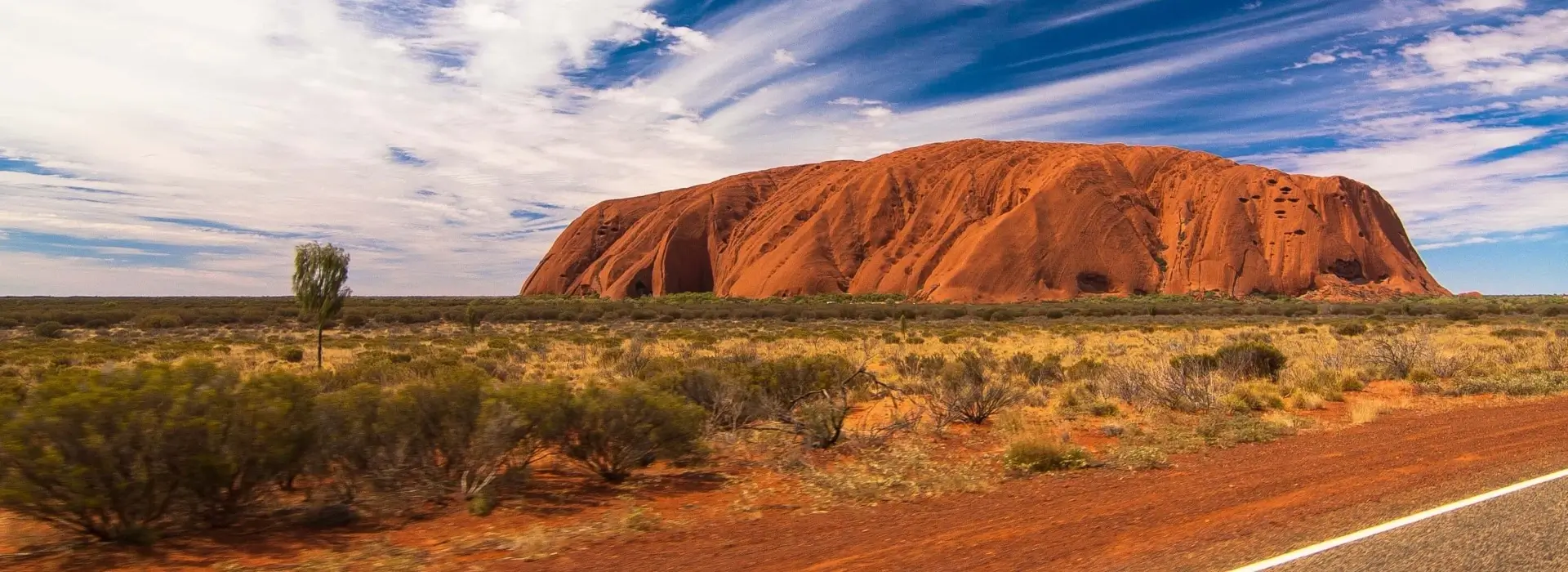
Australia offers endless experiences beyond its main cities. Dare to explore the Great Barrier Reef, the world’s largest coral reef, and dive into a colorful underwater universe. Explore the Outback, the arid heart of Australia, and behold the imposing Uluru, a sacred rock formation for Aboriginal people. Cruise through Kakadu National Park, a UNESCO World Heritage site, and discover its impressive waterfalls and ancient rock paintings. Observe the unique wildlife of Kangaroo Island, where you can see kangaroos, koalas, echidnas, and seals. And venture into Tasmania, an island with unparalleled natural beauty, where you can go hiking, kayaking, and whale watching.
The Great Barrier Reef
- Key points: The world’s largest coral reef, declared a UNESCO World Heritage site.
- What to do: Diving, snorkeling, scuba diving, glass-bottom boat rides, marine wildlife watching (fish, turtles, sharks).
- Where: Along the coast of Queensland, especially in Cairns and Port Douglas.
The Outback
- Key points: The arid heart of Australia, a unique and wild landscape.
- What to do: 4×4 tours, camel safaris, Australian wildlife watching (kangaroos, koalas, dingoes), visiting Ayers Rock (Uluru), Kata Tjuta (The Olgas), and other sacred rock formations for Aboriginal people.
- Where: Spans much of central and western Australia, including Alice Springs and Uluru.
Kakadu National Park
- Key points: A UNESCO World Heritage natural park with rich biodiversity and stunning landscapes.
- What to do: Cruises on the Adelaide River, boat safaris, hiking, crocodile watching, visiting Aboriginal rock art sites dating back thousands of years.
- Where: Located in the Northern Territory, about 170 km east of Darwin.
Kangaroo Island
- Key points: An island with unique wildlife and incomparable natural beauty.
- What to do: Kangaroo, koala, echidna, seal, and other animal watching. Hiking, kayaking, bird watching, visiting caves and national parks.
- Where: Located about 16 km off the coast of South Australia.
Tasmania
- Key points: An island with unparalleled natural beauty, mountains, forests, lakes, and beaches.
- What to do: Hiking in Cradle Mountain-Lake St Clair National Park, kayaking in Freycinet National Park, whale watching in Bruny Island, visiting historic sites like Port Arthur.
- Where: Located south of Australia, separated from the mainland by the Bass Strait.
Remember that to access some of these places, such as the Outback or Kakadu National Park, it’s advisable to book guided tours in advance. In Australia, the high season is from December to February, so accommodation and flight prices may be higher during that period. And don’t forget to bring appropriate clothing and footwear for each activity you plan to do, as well as sunscreen, a hat, and mosquito repellent.
Best Time of Year to Visit Australia
The best time to visit Australia depends on your preferences and the activities you want to do. Spring (September to November) and autumn (March to May) are ideal for pleasant temperatures and fewer crowds. Summer (December to February) is perfect for enjoying beaches and outdoor activities, although it can be hot. Winter (June to August) is ideal for exploring the country’s interior and whale watching on the east coast.
Historical Background
Australia has a rich and diverse history that dates back over 60,000 years, when Indigenous Aboriginal peoples began to populate the continent. For millennia, these cultures developed a deep connection to the land and created complex societies with unique traditions and languages.
The arrival of Europeans in Australia occurred in 1788 when Captain Arthur Phillip landed in Port Jackson, establishing the British penal colony of New South Wales, marking the beginning of European colonization. From then on, a period of conflict and displacement of Indigenous peoples began as European settlers expanded across the continent in search of land and resources.
In the 19th century, the gold rush attracted thousands of fortune seekers to Australia, contributing to economic growth and population increase. However, rapid development also led to conflicts with Indigenous communities and social tensions.
In 1901, Australia federated as an independent nation, consolidating six separate colonies into one country. Throughout the 20th century, Australia experienced rapid economic and social growth, driven by immigration, natural resource development, and participation in global conflicts such as the two world wars.
During this period, Australia also became a leader in social and labor rights, introducing measures such as women’s suffrage and a social security system. However, the country also faced challenges, such as the assimilation policy towards Aboriginal peoples and discrimination against non-white populations.
Today, Australia is a prosperous and multicultural nation, known for its quality of life, cultural diversity, and stunning landscapes. Although colonial history and its effects remain important issues in Australian society, the country is moving towards a future that celebrates its diversity and promotes reconciliation with its Indigenous peoples.